
Wyatt E. - Zamāru Ultu Gereb Ziqquratu Part 1 - review
Wyatt E. - Zamāru Ultu Gereb Ziqquratu Part 1 - review

Tracklist
01. Qaqqari Lā Târi Part 102. About The Culture Of Death (Kerretu Mahrû)
03. Im Lelya [feat. Tomer Damsky]
04. The Diviner’s Prayer To The Gods Of The Night [feat. Nina Saeidi]
05. Ahanu Ersetum
A review by
musclassia January 21, 2025
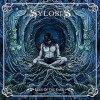
Once claiming to be Israeli in origin, the band now known to be Belgian returned to the recording studio to follow up what was a busy 2022 for them, in which both Āl Bēlūti Dārû and the Bowling Saturne soundtrack were released, not to mention a Atonia collaborative set performed at that year’s Roadburn. Of these endeavours, Zamāru Ultu Gereb Ziqquratu Part 1 (translated as Music From Inside The Ziggurat) is a narrative successor to Āl Bēlūti Dārû, exploring ancient Babylon through the eyes of exiled captives from Jerusalem. It also continues on musically from the album, shaped as it is around Middle Eastern folk within a metallic drone context, and those enchanted — as I was (both on record and live) — by its predecessor will find much to enjoy this time around as well.
That 2022 album was comprised of 2 lengthy tracks that ebbed and flowed between windswept droning folkish expanses and intensifying metallic sequences; those unacquainted with the band might find Om or Melechesh’s softer cuts to be helpful points of reference. To some extent, Zamāru Ultu Gereb Ziqquratu Part 1 follows suit, opening and closing as it does with epics over the 10-minute mark; however, in between, Wyatt E. include three shorter pieces that afford them the opportunity to experiment somewhat with variety. This middle sequence of the album also is noteworthy for featuring two guest vocalists: Tomer Damsky (who also contributed to the Atonia collaboration) on “Im Leyla”, and Lowen’s Nina Saeidi on “The Diviner’s Prayer To The Gods Of The Night”.
These middle tracks might be the best place to start to dissect the album; the first of them on the tracklist, “About The Culture Of Death (Kerretu Mahrû)”, is notable for the eerie synth motif repeated atop the brooding doom foundation of the song’s beginning, and for the manner in which the percussion escalates and drives the increasingly textured composition forward. It does, however, still have a slight ‘interlude’ feel to it; “Im Leyla” manages to sound like a complete standalone piece, perhaps thanks to its additional minutes. This song is largely on the lighter side, eschewing distortion for most of its runtime in favour of folk melodies and drones, along with various forms of percussion, and Damsky’s vocals (performed in Aramaic) glide effortlessly, as if floating upon the desert winds, right up until the moment that heavy distortion, drums and an ominous guitar solo come crashing in. Saeidi’s Akkadian verses accompany an all-acoustic track, and she crafts some delicious harmonies with her vocal layers that steal the show on “The Diviner’s Prayer To The Gods Of The Night”.
With the middle portion of the record covered, what of those bookending epics? Opener “Qaqqari Lā Târi Part 1” is very patient, relying on a recurring rhythmic motif for the first couple of minutes before the first folk guitar (or other stringed instrument, I’m not entirely sure) melodies appear. A dramatic outburst of volume midway through is emphatic yet brief, but a sample-laden lull is but a temporary pause before the distortion returns, and with it a very memorable and tastily phrased guitar solo. Closer “Ahanu Ersetum” has a broadly similar back-and-forth structure, but while the opener is very much in the vein of the band’s previous work sonically, this final track is slightly more groove-oriented, particularly with the amount that the bass drives the song, and the driving energy and percussion in the closing minutes is hugely compelling, in a manner that reminds me rhythmically of something such as Cult Of Luna’s “Nightwalkers”.
Zamāru Ultu Gereb Ziqquratu Part 1 is a very fine successor to Āl Bēlūti Dārû. In terms of any superiority for either album, the 2022 album was very singular in its focus, and was hypnotizing as a result, but this new release successfully incorporates extra degrees of variety, as well as getting great use out of the guest vocalists. Both approaches have their pros, and both albums will make strong additions to the listening rotation of anyone with an appetite for transportive folkish music of this kind. For me, I’m already hungry for Part 2, and hopefully an opportunity to be overwhelmed by this album performed in a live setting.
Rating breakdown
| Performance: | 7 |
| Songwriting: | 8 |
| Originality: | 8 |
| Production: | 8 |
Written on 21.01.2025 by
Written on 21.01.2025 by
Hey chief let's talk why not Comments
Comments:
3
Visited by
69 users
|
Posts: 71  |
| Posts: 8681 |
|
Posts: 160 |

Hits total: 1898 | This month: 3