
Metal Storm's outlet for nonmetal album reviews
The place where we'll talk about music without growls or blast beats
unless they still have those but still aren't metal
unless they still have those but still aren't metal
We here at Metal Storm pride ourselves on our thousands of metal reviews and interviews and article; metal is our collective soul and passion, which is why we bother with this junk. That being said, we'd be lying if we stuck to our trve-kvlt guns and claimed that metal is the only thing we ever listen to. Whether we want to admit it or not, we do check out some other stuff from time to time; some of us are more poptimistic than others, but there's a whole world out there aside from Satan-worshiping black metal and dragon-slaying power metal. We do already feature some nonmetal artists on our website and have a few reviews to back them up, but we prefer to limit that aspect of the site to those artists who have been a strong influence on the metal scene or who are in some way connected to it. This article series is the place for those artists who don't matter to metal in the slightest but still warrant some conversation - after all, good music, is good music, and we all know metal isn't the only thing on this planet for any of us.
Down below, you might find some obscure Bandcamp bedroom projects or some Billboard-topping superstar; as long as it ain't metal and the album itself isn't a best-of compilation, it fits. Obviously, we're certain that not everything will be for everybody (you guys can be viciously territorial even when metal is the only thing on the menu, and we're all supposed to like the same things), but we do hope you find at least one thing that you can enjoy, instead of just pointing and screaming in horror "Not metal!" as if that would be an insult.
Here are our previous features:
December 2024
November 2024
October 2024
And now to the music...

L.S. Dunes - Violet
[Post-Hardcore | Emo]
musclassia's pick
The term ‘supergroup’ can vary in how much legwork it does when members of different bands get together, but with My Chemical Romance’s Frank Iero and Coheed & Cambria’s Travis Stever joining forces with post-hardcore/emo scene icon Anthony Green and two members of Thursday, there are some serious credentials behind the personnel in L.S. Dunes. 2022’s debut Past Lives stuck to genres that one would predict based on the personnel involved, and 2025 sophomore release Violet continues with a take on alternative rock that carries over elements from the post-hardcore and emo scenes, without being too rigidly tied to any one particular niche.
Opening track “Like Magick” is something of a slow burner, plodding along with Green’s vocals dominating the tone of the languid verses and choruses, before coming to life with a scene-stealing solo later on. Immediately afterwards, “Fatal Deluxe” brings some aggression with harsh vocals, but while the song is more lively and convoluted, it’s still not frenetic. One can recognize C&C-esque guitar leads from Stever, but on top of the constituent members’ more renowned projects, other bands that these early tracks remind me of include earlier The Dear Hunter, and particularly The Mars Volta/At The Drive-In. It’s an enjoyable overarching sound, particularly due to how compelling Green’s high-pitched, at-times nasally vocals are, but also due to how in sync with one another the members sound on the likes of the title track, an initially blissful effort that gradually bleeds in musical and emotional intensity, and the twangy, meandering “Holograms”.
Bandcamp | Apple Music | Spotify
by musclassia
DITZ - Never Exhale
[Noise Rock]
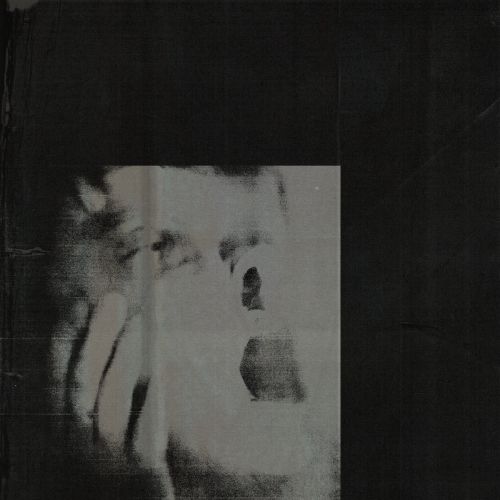
Noise rock is a tricky genre for us metalheads to analyse. Too many of these bands flirt so much with heaviness that a proper review on our Main Page feels more warranted than a feature in our non-metal articles. Hell, many of these bands are already here with Chat Pile, Uniform and Daughters being some of the more notorious modern examples. English DITZ not only dances viciously on the edges of metal-like heaviness, they also do it in the catchiest of ways. “Taxi Man” could very well be an earworm coming out of your local alternative radio station. The beat and bass combo is really punchy while the vocal performance is charming with its carelessness and cynical attitude. Showing a wide range of vibes, DITZ goes from drunken ecstasy (“Taxi Man” and “Space / Smile”) to gloomy anxiousness (“Smells Like Something Died In Here”) and even something that could be interpreted as indie-rock-inspired blissfulness (the build-up in the second half of “The Body As A Structure”). The common theme here is intensity though, which can be felt throughout the whole album but specially in some of the hypnotic crescendos that would entice most Swans fans.
All these emotions and tunes are packed in a very varied yet cohesive work. The band seamlessly slows down to a quiet, introspective ambience filled with bleak spoken word or speeds things up for a powerful and very noisy kick in the face. Having Never Exhale mixed by Seth Manchester, who has worked with Lingua Ignota and Big Brave, as well as having a sound that takes influences from old-school acts like The Jesus Lizard, it’s clear that DITZ are unto something very exciting with components both new and old. If DITZ ain't your vibe, perhaps DITZ NUTS might be.
Bandcamp | Apple Music | Spotify
by X-Ray Rod
Jaye Jayle - After Alter
[Post-Punk]
2023’s Don’t Let Your Love Life Get You Down was one of the more surprising discoveries I’ve made through Pelagic Records, with a gothic folk style far removed from the post-rock/metal that comprises much of their artist base, but it was also a very rewarding discovery. That album was created in response to Jaye Jayle mastermind Evan Patterson’s divorce from Emma Ruth Rundle; while there was a bluesy catharsis to Don’t Let Your Love Life Get You Down, there’s a rawness to After Alter that suggests that any catharsis here may be a bit more visceral.
From the first seconds of “Father Fiction”, the initial bursts of noisy distortion reveal that After Alter is a sonic divergence from its predecessor; there are still elements of the preceding album’s gothic singer-songwriter approach, but the rockier tones of the second song, in combination with Patterson’s vocal style, bears more resemblance to post-punk, particularly with the punch of the distorted electronic beat underpinning the track’s progression. The percussion on the album can feel a bit intrusive, sharply juxtaposing the understated bluesy singing and guitarwork in the early stages of “Doctor Green”, but it nicely complements the eerie noise rock sensibilities of “Fear Is Here” and “A Blackout”. There’s also some oddities in store for listeners, most notably “Bloody Me”, which features twice on the tracklist (once with noisy bass as the driving instrument, and again later in the form of an old-timey recording), but the highlights of After Alter are the two long tracks: “Small Dark Voices” with its insidious synth soundscapes, and “HELP!” for its lush blues guitar performance throughout.
Bandcamp | Apple Music | Spotify
by musclassia
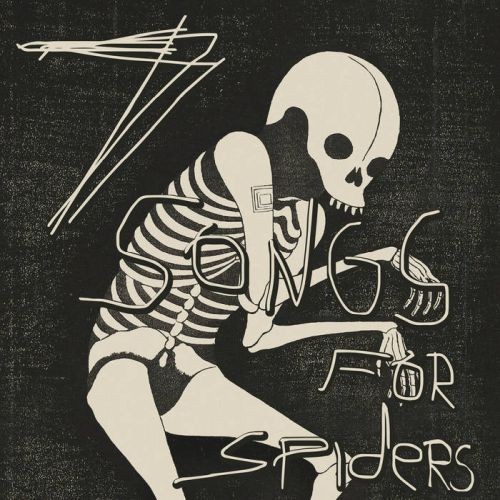
Dax Riggs is best known as the iconic singer of American sludge band Acid Bath, where he demonstrated his impressive vocal range, spanning from demonic yelps to melodious lamentations. Outside of the extreme metal scene, he's also fleshed out his more soothing style on the blues rock project Agents Of Oblivion as well as his solo project Dax Riggs. Now, a staggering 15 years after his last release, Dax Riggs returns with a new album: 7 Songs For Spiders.
As I listen to the incredibly enticing opening song “Deceiver”, I'm struck with how amazing Dax Riggs sounds after all these years. His charming, melancholic voice sounds as heavenly as ever—perhaps even better than ever! Together with the drawn-out, distorted guitar riffs that patiently meander along, the band create a truly hypnotic, psychedelic atmosphere on songs like “Even The Stars Fall” and “Pagan Moon”. For most of the album, Dax Riggs play chill blues rock that makes for a superbly relaxing listen. But they also have some really groovy moments up their sleeves, as demonstrated on the wickedly catchy closer “Graveyard Soul”.
7 Songs For Spiders is a testament to the timeless songwriting and performance abilities of Dax Riggs, delivering addictive blues rock that not only eight-legged arachnids will love!
Bandcamp | Apple Music | Spotify
by F3ynman

Lambrini Girls - Who Let The Dogs Out
[Garage Punk | Riot Grrrl]
RaduP's pick
Lambrini Girls are a band I've discovered by jumping through YouTube recommendations, I got completely smashed by "Company Culture", listened to a bunch of their other songs, and it was a really welcome surprise finding out that their debut album, that would contain all the songs of theirs that I already found, was being released this January, very conveniently to be covered in this edition. Who Let The Dogs Out, the age old question aside, is still an album that I enjoyed more on a song by song basis than as an actual full album experience, but even so I found myself already remembering all the songs that I had only listened to while listening to the album in full.
To summarize the album, it's a punk album, femme-fronted, that's very direct in the things it revolts against. Because of how song-centric it is, one could list what each individual song is about, but since "Company Culture" 's video is how I found out about the band, its angry, sarcastic, and vulgar spitting at workplace sexual harassment is a pretty good indicator of the kind of energy and themes one finds here. A lot of the impact comes from the very direct lyricism and from Phoebe Lunny's biting vocal performance, but a lot of it is also because sonically each track also has its own personality in its guitar melodies, sometimes more garage-y, sometimes more post-punk-y, even more synth-focused on the closer.
Bandcamp | Apple Music | Spotify
by RaduP

Hanry - Disruption
[Post-Rock]
Given the esteem in which I hold Pelagic Records and their eye for quality music, a band getting signed to them without a full album under their belt is something to pay attention to, particularly when said band is operating in a genre as saturated as post-rock (it appears this breakthrough has occurred in large part due to a performance at Trans Musicales Festival in 2023). French sextet Hanry follow up 2022 debut EP Panorama with 20 minutes and 4 tracks to savour on Disruption (although curiously, a review elsewhere seems to have received a different promo copy with twice the runtime).
Upon listening to Disruption, it becomes clear that Hanry’s early success is not so much down to innovation, as a track such as “Radiance” structurally follows a familiar post-rock template, moving from blissful tranquillity early on to ultimately climax in a wall of towering distortion. However, the form that said earlier softness takes is noteworthy; the use of keyboards, plus the way in which the drums are mixed, results in a tone reminiscent of ambient electronica such as Tycho at his peak. Synth layers on subsequent tracks such as “Ether” further such comparisons, a song that is sumptuously paced in its very gradual intensification of tone, which is seemingly delivered through intelligent mixing rather than the typical layering of instruments that post-rock is so renowned for. Closing song “Intermission” is a bit more ebb-and-flow structurally in comparison to the opening pair of tracks, which offers a degree of variety, but it will be interesting to see how much scope Hanry can cover when they grapple with a full-length album.
Bandcamp | Apple Music | Spotify
by musclassia
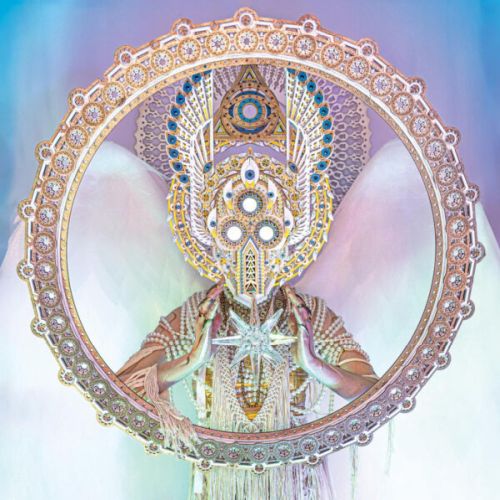
Prior to the release of last year’s Eviscerate, Eidola’s Andrew Wells discussed the future of the band after the release of the record and its companion album Mend, with indications that this may be the conclusion of the band, or at least of regular activity from it. Whether or not Mend ends up being Eidola’s swansong, this double album has represented a curious trajectory for the group. Eviscerate pushed the metallic aspects of preceding albums to the point of outright becoming a djent album, arguably in a way detrimental to the group’s appeal; Mend is intended to be the light to Eviscerate’s dark, and orients somewhat back towards the style of The Architect, albeit with some curve balls thrown in for good measure.
The Architect itself had already taken the progressive post-hardcore of the band’s early albums to a point where not all early fans were able to follow; how much the funky electronica on “Prodigy” will play to those people is debatable, but it’s an enjoyably catchy song in spite of its idiosyncrasies. Those seeking out impressive technicality from the group will be better served by “Empire Of Light”, which features almost rap-like flows from Wells in verses but brings a bit of the band’s heavier crunch back in at the end, or the frenetic math rock cut “Kaleidoscope”, prone to unleashing dizzying rampages on the drumkit. Other songs that venture outside of this more typical post-hardcore/math rock mould include piano ballad “Renaissance” and the synthwave-influenced “What It Means To Be Alone”; not all these detours pay off, and in general Mend is a less consistently memorable or enjoyable experience than The Architect, but it does regularly offer songs or moments that hit the mark, and overall I feel it perhaps just edges out Eviscerate.
Apple Music | Spotify
by musclassia

Benjamin Booker - Lower
[Art Rock | Singer / Songwriter]
When you read genre tags like "Singer / Songwriter" or "Art Rock", you generally have a general idea of what the album would sound like, either something more folk-ish with an acoustic guitar and voice, vaguelly chamber-ish rock instrumentation, maybe some strings. The idea isn't really wrong, but Lower uses that specific framework and twists the expectations by putting multiple experimental sounds into the established form. Whereas Benjamin Booker's previous stuff was pretty forward thinking in its genre blends too, using both garage rock and gospel and soul and blues rock in a very revitalizing way, Lower extends that mix' forward thinking-ness into a more chaotic direction.
Not all tracks on Lower are as wild as I'm making them out to be, some of them have a pretty sturdy skeleton that's more of a soulful approach of the whole art rock / singer/songwriter sound, but there's always something in the background, whether some uncanny electronica or some angular progressions that feel off, while other tracks make full use of that push into the unusual, injecting noise rock, and what might've been an industrial hip-hop beat in another life, while still keeping the vocal performance within the established bounds of the sound. It's an album that works both for how it does the soul / art rock sound well, and Booker has already proven a great performer in that field, but the ways that Lower deviates from that really set it apart.
Apple Music | Spotify
by RaduP
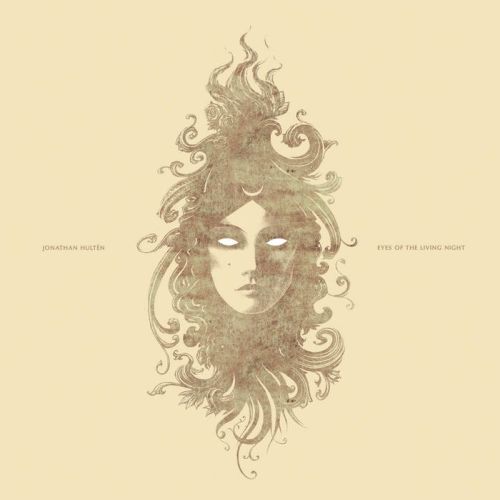
Jonathan Hultén - Eyes Of The Living Night
[Rock | Folk]
musclassia's pick
Jonathan Hultén’s split from Tribulation in 2020 inspired plenty of discourse over how Tribulation would sound like going forward in Hultén’s absence; there was less discussion of how Hultén would sound like in Tribulation’s absence, but as the latter has broadly continued on the gothic trajectory they were already on circa 2020, it is Hultén’s solo career that has represented a more stark departure from what the two entities produced in unison. At the same time, Eyes Of The Living Night is clearly recognizable as coming from the same artist that produced 2017’s The Dark Night Of The Soul and Chants From Another Place, encompassing a mesh of influences from genres such as folk, rock and ambient music and producing something utterly charming.
With a variety of influences, it isn’t a surprise that Eyes Of The Living Night features a variety of sounds. On the one hand, “The Saga And The Storm” brings in elements from classic rock in the guitar licks and keyboards, while “The Dream Was The Cure” is more in the vein of modern rock and pop (perhaps an odd comparison, but it gives me vibes of Fever Ray’s “If I Had A Heart” crossed with something like “Boulevard Of Broken Dreams”). At the other end of the spectrum, there’s the wonderfully dainty Iamthemorning-esque piano-driven melodicism of “Through The Fog, Into The Sky”, and the almost angelic nature of the harmonized choral vocals on the understated synth-pop cut “Afterlife”. Eyes Of The Living Night is clearly the work of an introspective artist, and is effortlessly disarming as a result, but there are occasional glimpses at something more straightforward and accessible, most obviously retro-rocker closer “Starbather”.
Bandcamp | Apple Music | Spotify
by musclassia

Anna B. Savage - You & I Are Earth
[Chamber Folk]
I came for the very evocative cover art, I stayed for the sultry vocals and the magical soundscapes. I first stumbled upon Anna B Savage's work through her debut album back in 2021, A Common Turn, which was a more art pop leaning work comparatively, and somehow I missed that she since also released in/FLUX back in 2023, an album that followed in a similar vein to her debut. When I stumbled upon You & I Are Earth I had completely forgotten about the link with A Common Turn, and listened to it on its own terms, rather than for the change of direction towards chamber folk that it is. Regardless, it's a pretty impressive work.
The first thing to notice about it is how deep and sultry Anna B. Savage's vocals, remind me a lot of Aldous Harding, albeit with less idiosyncrasies and more of a calming melodicity. As the cover art and the title suggests, this is a very naturalistic album, with a gentleness in the performance, and a chamber instrumentation that's stripped back in a way that still manages to fill the space with something that feels gorgeous and magical while leaving most of the space for Anna's vocals. At barely over half an hour, You & I Are Earth is like a quick walk through a creek, and the reconnection that calms your spirits.
Bandcamp | Apple Music | Spotify
by RaduP

Kathryn Mohr - Waiting Room
[Avant-Folk]
Somehow, folk and ambient aren't genres I'd instantly have considered as prone for a genre blend. But folk music can often have a more mood-focused approach, and likewise ambient can use folk components, so the common ground is there, especially in more avant-garde forms. You have the entire genre of psychedelic folk that was birther alongside its rock counterpart, you have tribal ambient, you have the avant-folk of The Microphones and Natural Snow Buildings, the weirdo neofolk of Current 93, the ambient dream folk of Grouper, and it's like the floodgates of possibility opened.
Kathryn Mohr's previous two EPs worked with similar sounds, some more focused on synths, some more ambient, but the full length debut makes full use of those aforementioned floodgates. For most of Waiting Room the skeleton is Kathryn's voice and very sparse instrumentation, often in the form of an acoustic or electric guitar, but all of it washed in such claustrophobic and uncanny reverb, that it feels pushed into dark ambient and drone. The slow paces, effects, use of repetition, and emotional impact are also reminiscent of slowcore, resulting in a project whose lo-fi approach makes it feel cold and comforting in an uncanny way. Also, did I mention that it's released by The Flenser?
Bandcamp | Apple Music | Spotify
by RaduP

Ethel Cain - Perverts EP
[Dark Ambient | Drone]
RaduP's pick
Calling this an EP is reaaaaally stretching the definition. This thing is 9 tracks and 90 minutes long. That's longer than most full length records! Sure, the reasoning is that this feels more like a side-project-ish thing that still carries the "Ethel Cain" name but has to be distinguished from the main line of albums so that it's clear that this isn't the follow-up to the very acclaimed and very amazing Preacher's Daughter, not only because of the detour in sound, but also because of initially announced plans for narrative cohesion between albums, with Perverts still carrying a little bit of narrative sense, but feeling more mood-focused than anything specifically imbued with story progressions.
This is a mostly ambient EP, with a long of long droning songs full of field recordings, which is even more impressive knowing that the album is self-produced. It reminds me of something that The Flenser would put out, which makes sense as a connection knowing that Midwife and Vyva Melinkolya do contribute instrumentally. A lot of the songs feel like a purgatory of shame and repression and guilt, all somewhat related to sexuality and perversion and faith, with a lot of spoken word and repetition driving home the themes of the record. There are songs and moments that feel more conventional, with some slowcore and doomgaze being thrown in the mix, particularly on the more ballad-like tracks like "Punish" and "Vacillator".
Bandcamp | Apple Music | Spotify
by RaduP

Orkun A. - Spirit Frequencies
[Ambient | Progressive Electronic]
This is my first time encountering Turkey's Orkun A. despite this being the fifth album released under that name (not counting EPs and the things released under another alias). Maybe the fact that this musician has only started putting out music in 2020, and that they're a couple of years younger than me has something to do with it, but whatever the case, something about Spirit Frequencies' cover art really drew me in, and I don't regret it one bit. I have yet to check out Orkun's other work, but, in insolation, Spirit Frequencies is a pretty great first encounter, especially for an album released on the first day of the year.
The album tiptoes the line between being an ambient album and a progressive electronic album. There are obviously a lot of nods to the Berlin School of electronica, with Tangerine Dream being a pretty obvious frame of reference. But that tip toeing makes it very lively by ambient standards, but also very evocative, patient and mood focused by electronica standards, with a lot of that evocative aspect feeling both cosmic and spiritual (as the title suggests). There's one track that's co-produced by another prominent up-and-coming ambient musician I've encountered, Katia Krow, and the end result is truly gorgeous.
Bandcamp | Apple Music | Spotify
by RaduP

The Weather Station - Humanhood
[Art Pop | Jazz]
After releasing for music for over a decade with The Weather Station, Tamara Lindeman had something of a breakthrough with 2021’s Ignorance, making it onto numerous best-of-year publications and receiving awards nominations celebrating its sophisticated orchestrations and intelligent folkish pop. 2022’s How Is It That I Should Look At The Stars largely shied away from said orchestrations in favour of very understated singer-songwriter piano compositions, but three further years on, Lindeman has reconvened with the rhythm section from Ignorance for a group improvisational writing process, culminating with the livelier and richer Humanhood.
While the album’s lyrics are driven by Lindeman’s mental health struggles, instrumentally it is not a bleak or dour effort; there’s a whimsical playfulness to the interplay between saxophone, piano and the rhythm section on the rich “Mirror”, and an almost sing-along energy to the vocal melodies on “Neon Signs”. The jazziness of the drums is a frequent treat, particularly on the likes of “Window” and “Ribbon”, but there are also more subdued tracks in line with the previous release (e.g. “Fleuve”). The variety in tone, instrumental melange and vocal approach across the album works in the album’s favour, as Lindeman and her collaborators are accomplished at whatever they set their mind to here. Sometimes she doesn’t need any vocal approach at all; the only dialogue on “Irreversible Damage” comes in the form of spoken work by Erin Orsztynova, but the smooth jazz saxophone, mellow keywork and intriguing mixing decisions make the song compelling and soothing in the absence of Lindeman’s voice.
Bandcamp | Apple Music | Spotify
by musclassia

Krokofant - 6
[Jazz-Rock]
A lot of the time I mention jazz or jazz-rock it's in the context of metal's avant-garde push towards incorporating jazz, whether it's technical death metal that is so technical it borders on jazz, or sound palette expansion through the addition of instruments such as the saxophone. There's a long lineage of heavy music taking inspiration from this virtuosic tradition, and it's obvious that even without the explicitly heavy music element in it, heavy music and jazz-rock would have some common ground. But with all this, I don't think I even covered an honest-to-God jazz-rock band before. So here's Krokofant!
Krokofant is a Norwegian trio who were kind enough to name their album in such a way that doesn't leave us guessing how many albums they've released beforehand, though that does seem to include collaborations as well. With the band themselves namedropping acts like King Crimson, Soft Machine, and John Coltrane, there's a lot of 70s influence both in sound and in technique, with a lot of 6 being very improvisational in nature, applying that to a lot of prog rock structures, and making full use of how strong the chemistry between the three members is, with a lot of interplay between the drums, saxophone, and guitar.
Bandcamp | Apple Music | Spotify
by RaduP
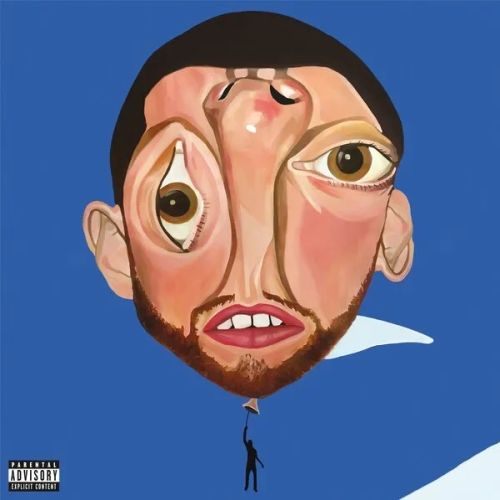
Mac Miller - Balloonerism
[Abstract Hip-Hop | Neo-Soul]
I'm not exactly the biggest fan of posthumous albums. The entire Jimi Hendrix page has no reason to be that full, this long after his death. But hip-hop also has a pretty big history of half-assing Frankenstein's monsters out of unreleased stuff to cash grab something off of an artist's passing with posthumous albums. After Mac Miller's passing, 2020's Circles seemed to be the exception to the rule, as the material on it was already in work to be released in mostly the same fashion by the time Mac passed, and me and everyone else probably expected that would be the last Mac Miller music we'd get to hear. Maybe one or two more unearthed tracks, but an entire album?
Balloonerism is pulled from a slightly older time in Mac's career than Circles, being material that was worked on as Mac was diving more and more abstract hip-hop direction with albums like 2013's Watching Movies With the Sound Off and 2015's GO:OD AM, and especially 2014's Faces mixtape. However, compared to the more measured approach of those, Balloonerism goes even more left-field with the experimentation, being a moodier album more focused on the production side, With production and bass contributions from Thundercat, as well as a guest spot from SZA, Balloonerism has an almost neo-psychedelia inspired soundscape, with a lot of neo-soul and jazz that also seemed indicative of Mac's later breach into a more singer/songwriter direction before his passing.
Apple Music | Spotify
by RaduP

MIKE - Showbiz!
[Abstract Hip-Hop]
It's often quite hard to keep up with some of the most prolific acts out there. Hip-hop, especially this brand of conscious jazzy abstract kind is prone for such prolific acts, and MIKE is, obviously, one of them. Since 2015, every year has had at least some kind of MIKE release, and I've only managed to cover one of them before, 2023's Burning Desire, an album that felt like it had the things that MIKE was doing with his sound fall better into place than most of what I've heard from him. MIKE is, however, a rapper with a very niche appeal, one I'm still trying to wrap my head around.
I'm not sure I would've gotten to cover Showbiz! if it was a busier month, but there was something about how tied this album is to MIKE's family and how the themes of gratitude makes the introspection feel more specific that felt like they set it apart. That explains the naive art of the cover too. The dreamlike quality of the production working with MIKE's deadpan delivery works especially well with how short and vignette-like the tracklist is, and it's especially fitting for the nostalgic feeling that the album is going for. I'm still at odds with how the monotonous aspect of it makes each album have to do more to stand out, especially knowing that this will probably not be the last MIKE project this year. But for what it is, Showbiz! does just enough to stand out.
Bandcamp | Apple Music | Spotify
by RaduP

Ghais Guevara - Goyard Ibn Said
[East Coast Hip-Hop | Conscious Hip-Hop]
The more underground side of hip-hop that tackles more socially/politically/personally conscious topics usually takes a more abstract approach. And there was a bit of that in some of Ghais Guevara's previous releases, like 2021's BlackBolshevik or 2022's There Will Be No Super-Slave, the latter of which was my first contact with the rapper. But what felt like it set Ghais Guevara apart was how upfront they were with the political side of their music, evident by the album titles, but also how that experimental side took as much if not more from hardcore hip-hop than from abstract hip-hop.
Goyard Ibn Said, the significant label debut, has its politics be less upfront in the presentation, though no such compromise is done in the lyrics. Likewise, this is a concept album, centered around a rise and fall narrative of a central character Goyard, the titular anti-hero. Skits aside, there's a noticeable stylistic shift in between the two sides, with the first side being the more boisterous and trap-heavy side, with the more experimental and abstract moments coming in the more introspective second side. Though the line between the two isn't as clearly defined as I'm making it to be, Ghais Guevara is thoughtful even at the music's most mainstream-sounding moments.
Bandcamp | Apple Music | Spotify
by RaduP
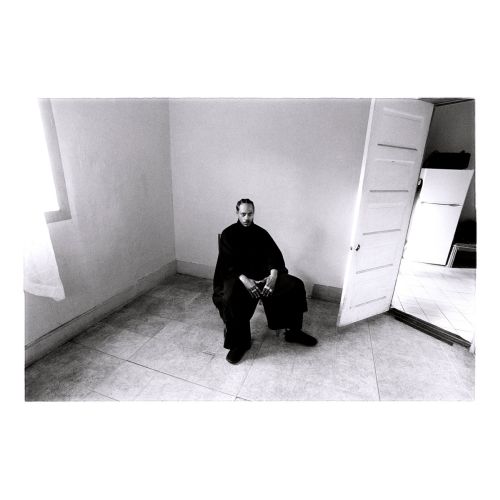
Pink Siifu - Black'!Antique
[Experimental Hip-Hop]
There are a lot of hip-hop artists I come across when browsing for new releases, and sometimes also when looking at features on the albums of other hip-hop artists. I don't always get to cover everything I check out, but underground hip-hop has a bunch of names that I've grown to recognize. Pink Siifu is one such name, having seen him featuring on albums by Billy Woods, Armand Hammer, Slauson Malone, The Avalanches, or McKinley Dixon, and first coming across his solo work with the unabashedly avant-garde and thematically exploratory Negro back in 2020. The releases from him since, including a collab with Fly Anakin felt a bit more conventional comparatively.
Black'!Antique feels like a return to a more avant-garde and experimental side of hip-hop more akin to Negro, albeit both feeling weird and forward-thinking in different ways. For one, Black'!Antique is a pretty massive album, twice as long as Negro, at nearly 80 minutes. A lot of the album is quite unapproachable, despite being filled with guest features (most of which I'm unfamiliar with), with the production being overwhelmingly chaotic and noisy, feeling like a free form take on what Clipping. used to do at their noisiest, while the latter half of the record takes a more cloud rap approach to contrast the initial industrial one. Its length and contrasting approach is a bit of a double edged sword, but there's plenty here that really elevates the music, both rapping and production-wise.
Bandcamp | Apple Music | Spotify
by RaduP
Asian Glow - 11100011
[Noise Pop | Indietronica]
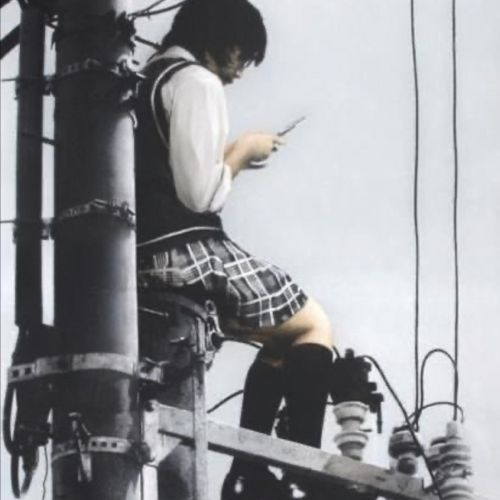
Ah, Asian Glow, we meet again! Hold on a second, I seem to remember very clearly that the project's previous record, 2024's Unwired Detour was advertised as the project's swansong, with it being followed half a year later by an album released under a different name, one that also specifically stated "If it weren't for the ending of Asian Glow, I would've not crafted this album" in its description. There isn't much of an explanation as to why Gyn decided to revive the project so soon after initially putting it to rest. Perhaps it was the muted reception of Towards Backward on the End of the Cliff (also exemplified here by the fact that I completely missed its existence and didn't cover it). Perhaps there was a more emotionally motivated change of heart.
Regardless, 11100011, does feel like a more quintessentially Asian Glow album than the more lukewarm Unwired Detour did, but also less ambitious than 2022's Stalled Flutes, Means felt. 11100011 is more focused on this very dense and almost nauseatingly produced noise pop / shoegaze, drenched in a lot of electronics and washed out vocals. The vocals do work very well to create that specific nostalgic melancholic feeling, but a lot of the heavy lifting in emotional resonance and setting the sound apart is done by how overwhelming but still distinguishable the mixing and the production is, finding a balance between more guitar-centric and electronic-centric instrumentation.
Bandcamp | Apple Music | Spotify
by RaduP

The Weeknd - Hurry Up Tomorrow
[Alternative R&B | Synthpop]
I guess it is fitting that what might be the last album under the The Weeknd name closes a trilogy, while that name also debuted back in 2011 with a trilogy of mixtapes. The road from how that original trilogy defined the 2010s in terms of alternative R&B to mainstream success to the 80s drenched synthpop sounds of this new trilogy has definitely been incredibly entertaining to watch, even literally. From this new trilogy, 2020's After Hours felt like the most instantly satisfying of the bunch, with follow-up 2022's Dawn FM being a more conceptual grower, and Hurry Up Tomorrow continues in that direction even more prominently, with a massive 84 minutes runtime, less obvious highlights, and an experience more focused on the album experience.
My first listen felt pretty uneventful in comparison to Dawn FM, and even if I've gotten to spend more time with Hurry Up Tomorrow and I've pinpointed some highlights, it still feels like these are less immediate in their impact compared to songs from the previous two records. Some guest spots feel anticlimactic outside of the narrative, but the narrative of the dark side of fame and how that is presented through the more mellow and subdued soundscapes. The flow and the transitions between songs works to enhance that feeling, even through more left field detours, like the synthpoppier pieces with production by Justice and Giorgio Moroder, and that one reggaeton track. I can't say that it bit more than it could chew, but that it asks you to chew along with it.
Apple Music | Spotify
by RaduP
FKA Twigs - Eusexua
[Electronic Dance Music | Art Pop]
RaduP's pick
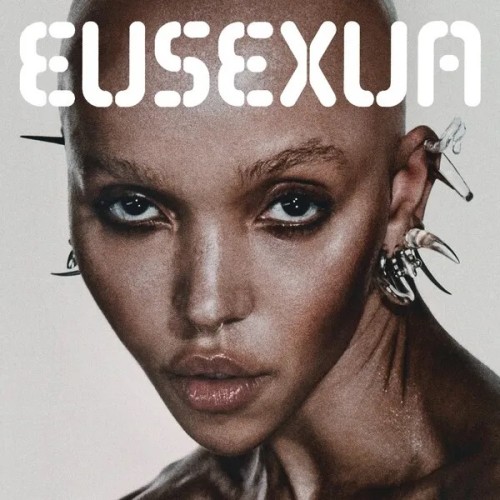
It's incredible how much the artsier alternative R&B landscape has been shaped by the streak of EPs and one album that FKA Twigs did back in 2013-2015, even if the decade that has passed since then might not feel like a lot of time, these still feel ahead of their time for how all the glitchier electronica intertwined with the art pop influences that took a lot from the likes of Björk and The Knife into a more R&B direction. It was 2019's Magdalene that was my gateway, and still my favorite of her projects. Some of it took cues from various other more accessible mainstream styles, and that more fun and carefree approach in these genre incorporations was something that permeated 2022's Caprisongs, a record that was specifically labeled as a mixtape to avoid it feeling like the main line of FKA Twigs albums, thus Eusexua is the actual follow-up to Magdalene.
The one thing that was instantly obvious about Eusexua was that the R&B side of it was somewhat diminished, and while stylistically it still has a lot in common with the alternative R&B landscape that she helped shape, there's a lot more on here that takes cues sonically and aesthetically from EDM styles like techno and trance and IDM from the late 90s and early 00s. Hearing something using these older sounds so unabashedly when you're more used to nostalgia being used for 80s sounds is quite refreshing, especially when there's a specifically art / glitch pop spin on these sounds, in a way that feels alien to the established canon and familiar to FKA Twigs' musical thread.
Apple Music | Spotify
by RaduP